




When temperatures drop outside and the heating is running indoors, your skin practically cries out for extra care. Dry skin in winter often shows up as tightness, flaky patches or redness. During the colder months, your skincare routine deserves a seasonal upgrade. But why does your skin need this extra attention now – and what do skincare professionals actually recommend?
WINTER SKINCARE AT A GLANCE
- Why skin can feel dry in winter
- Common signs of dry skin
- The right winter skincare routine
- Targeted care for face, hands and body
- Tips by skin type
- Frequently asked questions about winter skincare
WHY DOES SKIN OFTEN FEEL DRY IN WINTER?
Many skin types tend to feel drier and tighter during winter. Cold outdoor air, dry indoor heating and environmental stressors can intensify that uncomfortable tight feeling. That’s why dry skin in winter requires consistent hydration and protective care.
Cold Air
Low temperatures can impact the skin’s natural oil (sebum) production. As a result, your skin may feel rougher or less supple. Winter is the perfect time to nourish and protect your complexion with richer formulations.
Indoor Heating & Dry Air
Central heating significantly reduces humidity levels indoors. This can leave skin feeling dull, rough or dehydrated – especially on the face. Ventilating rooms regularly or using a humidifier can help maintain a more comfortable indoor climate for your skin.

COMMON SIGNS OF DRY SKIN IN WINTER
Tightness
After washing your face or showering, skin may feel tight – particularly after spending time outdoors or in heated rooms. A nourishing moisturizer can help restore comfort and prevent further dehydration.
Itching
In the evening or at night, dry skin may itch or tingle slightly. Hydrating creams or serums designed to improve skin suppleness can soothe and rebalance the skin barrier.
Redness
Sensitive areas such as cheeks, nose or hands often develop redness. This can indicate that the skin is reacting more strongly to environmental stressors. Gentle, calming care supports overall skin comfort.
Fine Cracks & Flaky Patches
Very dry skin may develop small cracks or flaky areas, especially on hands, shins or lips. Rich, replenishing products provide targeted care and help maintain a smoother skin feel.
HOW DO I FIND THE RIGHT SKINCARE FOR WINTER?
Just as we swap summer clothes for cozy knitwear, lightweight summer creams can be replaced with richer formulas in winter. Dry skin in winter benefits from nourishing textures and moisture-retaining ingredients.
Hydration is key during colder months – almost as comforting as a warm cup of cocoa after a winter walk. And skincare isn’t just for women: men’s skin also needs extra care in winter. Look for lightweight but deeply hydrating moisturizers that absorb quickly without leaving a sticky residue.
OPTIMAL WINTER SKINCARE ROUTINE FOR DRY SKIN IN WINTER
- Gentle Cleansing – Start Softly! Avoid harsh cleansers that strip the skin. Instead, opt for a mild cleansing milk or gentle gel that removes impurities without disrupting the skin barrier.
- Hydration Boosters! In winter, skin craves extra care. Rich creams and serums with hyaluronic acid or urea help attract and retain moisture, leaving skin feeling fresh and nourished.
- Anti-Aging Care – Strengthen the Skin. As skin matures, it may feel drier in winter. Products containing retinol, vitamin C or peptides provide supportive care and promote a smoother-looking complexion.
- SPF – Yes, Even in Winter! Just because the sun isn’t shining brightly doesn’t mean UV rays disappear. A day cream with SPF helps protect your skin year-round – even on cloudy days.
-

-

-
 Final Price CHF 36.95 Regular Price CHF 46.2020 %50 ml
 -
 Final Price CHF 23.95 Regular Price CHF 31.9525 %50 ml




KEY INGREDIENTS FOR WINTER SKINCARE
Glycerin
A moisture-binding ingredient that helps skin feel hydrated and comfortable.
Hyaluronic Acid
A powerful humectant capable of binding large amounts of water. Best applied as a serum under your moisturizer.
Ceramides
Naturally occurring lipids that support the skin barrier – especially helpful in dry indoor environments.
Squalane
A lightweight oil that absorbs quickly and provides nourishment without heaviness.
Panthenol (Provitamin B5)
Often used in dermatological skincare, especially suitable for sensitive skin.
Shea Butter
A rich plant-based lipid that softens and supports dry areas, particularly in hand care products.

WINTER SKINCARE FOR FACE, HANDS AND BODY
What should you look out for when it comes to gentle facial care in winter?
In winter, your facial skin will appreciate a little extra attention. As the skin in this area can often be a little more sensitive, gentle cleansing and a rich cream or moisturising serum can help to keep your skin feeling pleasantly soft and hydrated. The ingredients mentioned above, such as hyaluronic acid or glycerine, can help you enjoy beautiful skin when used as part of a daily, tailored routine. As a general rule, it is best to use a lighter product in the morning and a richer one in the evening.
-
 Final Price CHF 15.85 Regular Price CHF 21.1525 %52 ml
 -

-


Optimal hand care in winter
When it's freezing outside and we want to type something on our mobile phones, we often quickly take our hands out of our gloves, exposing them to the elements. Our hands are particularly stressed in winter and can be exposed to dryness more intensely. To keep the skin as soft as possible, hand creams with proven shea butter or moisturising glycerine are ideal – for a cosy feel-good routine.
-
 Final Price CHF 13.50 Regular Price CHF 15.0010 %30 ml
 -
 Final Price CHF 8.7050 ml
 -

-

-


What should you bear in mind when it comes to personal hygiene in winter?
It's cold outside, and in these situations it's often tempting to take a hot shower. Hot water can dry out the skin even more, as it can damage the skin's natural protective layer. We recommend taking a lukewarm shower for a maximum of 10 minutes. Cream showers and shower oils are particularly good for keeping your skin feeling hydrated after showering. After showering, use a particularly moisturising cream to quench your skin's thirst. Use rich products on particularly dry areas such as elbows, shins and sometimes feet.
-
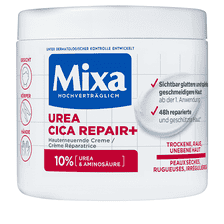 Final Price CHF 7.45 Regular Price CHF 9.9525 %400 ml
 -

-
 Final Price CHF 42.55 Regular Price CHF 53.2020 %400 ml
 -


TIPS FOR ALL SKIN TYPES – KEEP YOUR SKIN HAPPY THIS WINTER
- Dry Skin: Rich creams with shea butter or jojoba oil keep skin supple. Add a hydrating serum underneath for extra care.
- Oily & Combination Skin: Lightweight, oil-free products with hyaluronic acid or aloe vera hydrate without clogging pores.
- Mature Skin: Anti-aging formulas with retinol, vitamin C or peptides provide intensive nourishment and support a radiant complexion.
FREQUENTLY ASKED QUESTIONS ABOUT DRY SKIN IN WINTER
What helps with dry skin in winter?
Use gentle cleansers and nourishing creams or serums. Ingredients such as hyaluronic acid, glycerin and ceramides help maintain a comfortable skin feel.
How often should you moisturize in winter?
Moisturize daily. Particularly dry areas like hands, elbows or shins may benefit from application several times a day.
Which cream is best for dry skin in winter?
Rich moisturizers with hydrating ingredients such as hyaluronic acid, glycerin or ceramides are ideal.
How can I shower gently in winter?
Use lukewarm water for no longer than 10 minutes. Choose replenishing shower oils or cream cleansers and moisturize immediately afterward.
No matter your skin type, a consistent winter skincare routine helps protect against cold winds, temperature fluctuations and dry indoor heating – keeping your complexion healthy and glowing all season long.
The skincare tips described refer to cosmetic care and do not replace medical advice. If you experience persistent or severe skin concerns, consult a qualified healthcare professional.