


Proper dental care for kids lays the foundation for strong and healthy teeth, starting as early as infancy. Here you’ll find expert tips on how to protect your child’s teeth, supervise brushing, and make toothbrushing fun and engaging.
Key Points at a Glance
- First dental care starts with the eruption of the first tooth.
- Fluoride effectively protects children’s teeth from cavities.
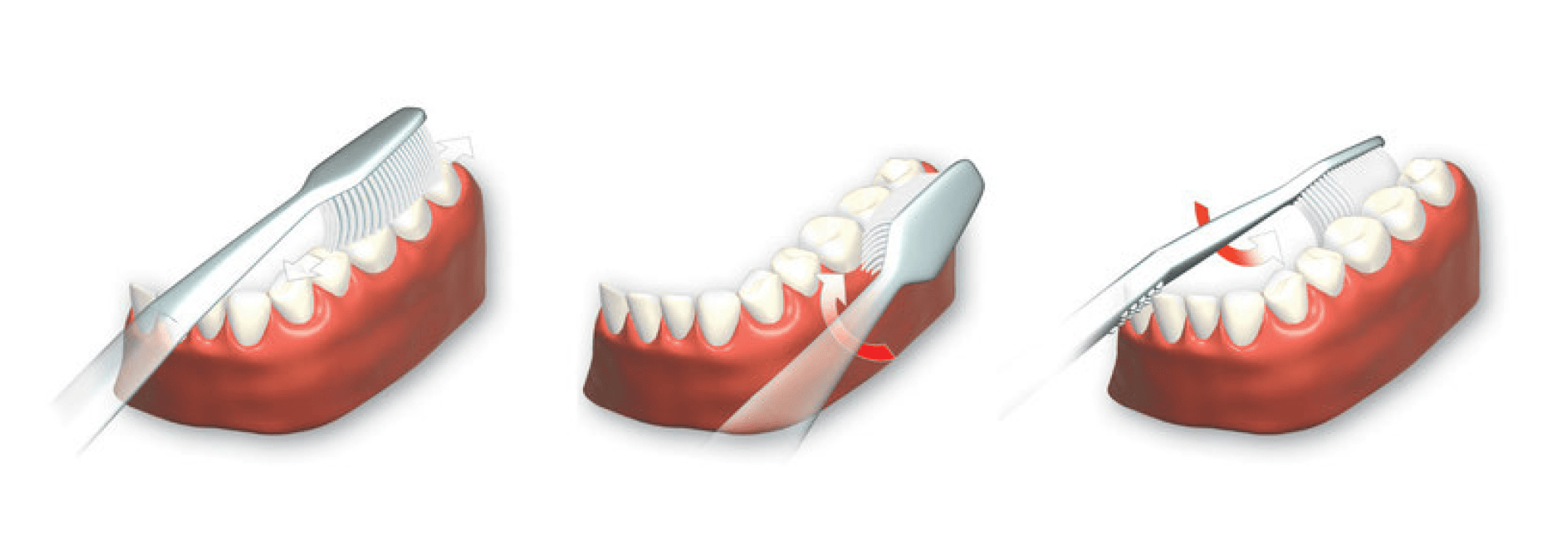
- Proper brushing using the KAI method: Chewing surfaces, Outer surfaces, Inner surfaces.
- Parental brushing is necessary until around school age.
- From the first birthday, regular visits to the dentist are recommended.
- A low-sugar diet supports healthy teeth.
Age-Specific Dental Care for Children
Babies: From the First Tooth
As soon as the first tooth appears, dental care begins. Even tiny baby teeth need protection from bacteria. Use a moist baby toothbrush with soft bristles or a finger brush. Toothpaste is not yet necessary. To prevent cavities, infants from the second week of life should receive a daily combined vitamin D-fluoride tablet (0.25 mg fluoride), given while breastfeeding or with a little liquid. Fluoride is the most effective protection against cavities. It strengthens the enamel and makes it more resistant to acids.
Tip: Brush gently in the morning and evening to help your baby get used to the routine. At a minimum, brush once a day.
Toddlers: Up to 3 Years
By around one year, most front teeth have appeared, and brushing becomes a daily routine. Use a children’s toothbrush with a small head and soft bristles, ideally with a non-slip handle. Toothpaste: 1,000 ppm fluoride, about the size of a grain of rice to a pea. Parents do the brushing entirely, letting the child participate playfully.
Toddlers: 3 to 6 Years
Children can increasingly brush themselves but still require consistent parental supervision. Toothpaste: 1,000 ppm fluoride, about pea-sized. Brush thoroughly twice a day: after breakfast in the morning and before bedtime in the evening.
School-Aged Children: From 6 Years
With permanent teeth appearing, responsibility increases. Children can brush mostly independently, but parents should continue supervising. Ask your dentist to show the correct brushing technique. Toothpaste: 1,500 ppm fluoride is optimal. Fluoride gels or mouth rinses can further strengthen enamel. Introduce flossing carefully, demonstrating proper use.
Attention: Stick to recommended toothpaste amounts to avoid dental fluorosis (white spots on teeth).
KAI Brushing Technique for Kids
The KAI technique is the easiest way for children to brush properly:
- Scrub chewing surfaces first.
- Brush outer surfaces using circular motions.
- Clean inner surfaces from gum (red) to tooth (white).
Avoid excessive pressure to prevent gum injuries. Brush twice daily for at least two minutes.
Tips for Parental Supervision
Until around age 7, parents should supervise brushing. Stand behind your child and tilt the head slightly back. Brush all surfaces gently using circular motions. Explain each step to help your child learn and understand.
Essential Tools for Kids’ Brushing
A good setup motivates and ensures thorough cleaning:
- Children’s toothbrush (manual or electric, soft bristles)
- Fluoride-containing children’s toothpaste
- Toothbrush cup & timer (sand timer or 2-minute app)
- Floss (from school age)
Additional Tips for Healthy Teeth
- Fluoridated tap water can support dental health (region-dependent).
- Fluoridated table salt is recommended.
- Regular dental check-ups are essential. The first visit should occur by the first birthday or when the first tooth appears.
- Extended use of pacifiers or thumb-sucking can cause misaligned teeth. Ideally, wean off the pacifier by age 3.
How to Motivate Your Child to Brush
Brushing should be fun to become a daily habit. Five tips to encourage children:
- Comfortable positioning for babies: Hold like breastfeeding, with a finger under the upper lip to gently keep the mouth open.
- Imaginative stories: Create adventures like “Captain Brush chasing tooth monsters.”
- Music & brushing songs: Favorite tunes or rhymes make brushing fun and help reach the two-minute goal.
- Let them choose their brush: A colorful brush or favorite character motivates children.
- Dentist as an ally: Have the dentist explain why brushing is important. Professional advice often works better than parental reminders.

Nutrition to Support Dental Health
Diet plays a crucial role in children’s dental health. Cavities form when bacteria turn sugar into acids that attack enamel. Frequent sugar exposure increases the risk, even from juices, honey, ketchup, milk drinks, and processed foods. Avoid prolonged bottle-feeding with sugary drinks. Water or unsweetened tea is best. Tooth-friendly snacks like cheese, veggie sticks, and nuts provide minerals and promote chewing. Fluoridated table salt also strengthens enamel.
Conclusion: Healthy Children’s Teeth Need Routine, Fluoride, and Role Models
Dental health begins in infancy. With proper brushing, fluoride toothpaste, and a balanced diet, parents can help children maintain strong, healthy teeth. Regular supervision, positive motivation, and early dental visits are key. Children learn to take responsibility for their teeth in a playful and engaging way.