



Breakouts and blackheads can be frustrating and may impact your confidence. The good news: there are highly effective ways to restore balance and improve your complexion. The foundation of skincare for blemished skin is gentle cleansing, targeted actives such as salicylic acid, niacinamide and zinc, as well as a few simple everyday habits. For persistent or severe concerns, dermatologists can offer personalised treatments.
At a glance:
- Gentle cleansing is the basis of a clear complexion
- Actives like salicylic acid, niacinamide and zinc target blemishes effectively
- Hygiene habits and home remedies support the skin daily
- For stubborn or severe acne, professional help is recommended
- Patience is key improvements take time
What is blemished skin and how does it develop?
Blemished skin isn’t a skin type but a condition. It appears when hormones, stress, environmental factors or unsuitable products increase sebum production and clog pores. When bacteria accumulate in excess oil, inflammation can occur - often triggered by hormonal fluctuations (during puberty or the menstrual cycle), poor diet, or friction from tight clothing. Harsh cosmetics, pollution or genetic predisposition can also worsen irritation and congestion.
Typical signs of blemished skin
- Pimples, pustules and papules
- Enlarged pores
- Oily shine due to excess sebum
- Redness and irritation
Which ingredients help with blemished skin?
The most effective ingredients in skincare for blemished skin include salicylic acid, retinol, niacinamide and zinc. They unclog pores, reduce inflammation and help rebalance the complexion. Anyone dealing with breakouts should choose gentle yet effective formulas that target blemishes without damaging the skin barrier.
Salicylic Acid – Deep pore cleansing
Salicylic acid, a beta-hydroxy acid (BHA), is one of the most effective actives for blemished skin. It penetrates deep into the pores, dissolves excess oil and dead skin cells, and helps prevent future blockages. Its anti-inflammatory properties support quicker healing and a smoother complexion.
Retinol – Cell renewal for a refined texture
Retinol, a potent form of vitamin A, boosts cell turnover and refines pores. It helps soothe inflammation, reduces breakouts and prevents new blemishes. By stimulating collagen production, retinol also improves post-acne marks and uneven texture.
Niacinamide – The multitasker for balance
Niacinamide (vitamin B3) is a true all-rounder. It soothes inflammation, balances sebum production and strengthens the skin barrier. Unlike many anti-blemish agents, niacinamide does not dry out the skin - perfect for sensitive or easily irritated skin types.
Zinc – A classic for breakouts and blackheads
Zinc has long been a trusted ingredient for blemished skin. It offers antibacterial benefits, calms redness and helps regulate sebum production. Whether in creams, gels or spot treatments, zinc reduces inflammation and promotes long-term skin balance.
Step-by-step routine for blemished skin
- Cleanser: Use a gentle gel or foam morning and evening to remove oil, impurities and makeup.
- Toner: A mild toner balances the skin’s pH and preps it for treatments.
- Moisturiser: Choose a lightweight, oil-free moisturiser or lotion with SPF to hydrate and support the barrier.
- Targeted care: Apply serums or creams containing salicylic acid, niacinamide or zinc.
- SOS products: Use pimple patches or anti-blemish gels for active breakouts.
Important: Less is more. Keep your routine simple and give your skin time to respond.
-
-
-
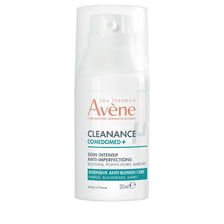
 Final Price CHF 28.30 Regular Price CHF 40.4530 %30 ml
 -
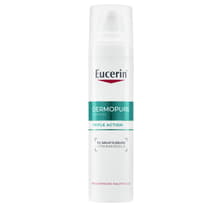
 Final Price CHF 24.9030 ml
 -

-
 Final Price CHF 23.90 Regular Price CHF 29.9020 %40 ml
 -





What can you do at home for blemished skin?
Simple lifestyle habits can noticeably improve your complexion and help prevent inflammation. Hygiene, home remedies and a consistent routine support your skin in finding balance. Staying consistent is key - small daily habits can make a big difference without overwhelming your skin.
Hygiene tips for blemished skin
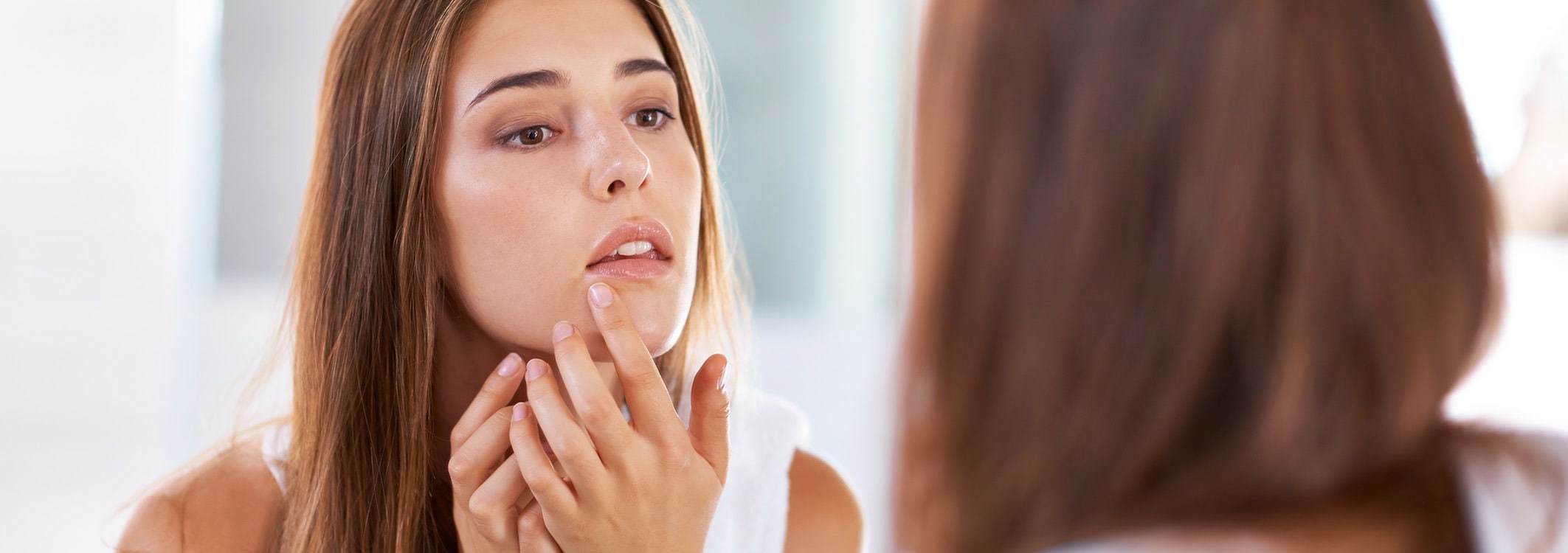
Avoid squeezing pimples - this can push bacteria deeper into the skin and cause scarring. If you must do it, ensure your hands and tools are clean and disinfected.
Daily habits that make a difference:
- Change pillowcases, towels and washcloths regularly
- Wash your hands often and avoid touching your face
- Skip heavy or greasy makeup that can clog pores
- Fresh air and movement boost circulation and support skin health
- Use a high-SPF, oil-free sunscreen to protect without clogging
Helpful home remedies
- Chamomile steam: Opens pores and boosts product absorption
- Tea tree oil: Antibacterial and reduces redness
- Apple cider vinegar: Balances the skin’s pH
- Green tea: Calming, antioxidant, ideal as a toner or compress
When should you see a dermatologist?
Professional help is advisable when breakouts are severe, painful or persistent despite consistent care. Seek expert advice if you notice:
- Deep, painful nodules or pus-filled lesions
- No improvement after 2-3 months of regular skincare
- Strong emotional distress due to acne
- Baby acne to prevent scarring
Early treatment can prevent scars and allows for individualised medical therapies.
How does diet affect blemished skin?
Diet plays a significant role in managing skincare for blemished skin, as certain foods promote inflammation while others strengthen the skin from within.
- “Bad” foods: Sugary, processed foods, fast food and dairy may trigger breakouts
- “Good” foods: Fresh fruit, vegetables, whole grains and plenty of water
- Especially beneficial: Omega-3 fatty acids (from salmon, tuna, flaxseed) and zinc-rich foods (pumpkin seeds, meat, legumes)
-

-

-

-

-

-
 Final Price CHF 46.60120 g


How to rebalance blemished skin
Blemished skin is manageable with the right routine. Key elements include gentle cleansing, targeted actives like salicylic acid, niacinamide and zinc, and simple hygiene habits. Home remedies and a balanced diet further help prevent inflammation. If breakouts persist or cause distress, consulting a dermatologist is the best step.
With patience, consistency and the right products, your skin can visibly improve over time.
FAQ: Frequently asked questions
How long does it take for blemish-care to work?
Depending on the skin condition, improvements may appear after 4-6 weeks. Consistency and patience are vital.
Can you wear makeup with blemished skin?
Yes - as long as it’s oil-free and non-comedogenic. Always remove it thoroughly in the evening.
What helps with back acne?
The same rules apply as for facial blemishes: gentle, pH-balanced cleansers, loose clothing, and showering after workouts. Body washes with salicylic acid or zinc can help prevent breakouts.