


Redness, small breakouts or irritated patches - every skin type has its sensitive days. After a sunny beach day, a windy winter walk or during stressful moments, the skin sometimes needs extra support to return to balance.
This is where skin and zinc come in. This essential trace mineral is not only vital for the entire body, but also a true skin saver. It calms, protects and supports your complexion - without complicated skincare routines. In this guide, you’ll learn why zinc is so valuable for your skin, which skin concerns benefit the most and how to integrate it effectively into your skincare routine.
What is Zinc and Why Is It So Important for Our Skin?
Zinc is an essential trace element that the body cannot produce on its own, yet is crucial for healthy skin, fast wound healing and protection against irritation. It plays a role in over 300 metabolic processes - from cell regeneration and collagen formation to defending the skin from oxidative stress. A balanced zinc level not only improves overall skin health, but also supports strong nails, healthy hair and a resilient immune system.
How Zinc Supports the Skin
Zinc benefits the skin on multiple levels - making it a key ingredient in many skincare routines:
- Accelerates wound healing: Promotes cell renewal and supports faster skin regeneration. Helpful for small cuts, abrasions or irritated areas.
- Reduces inflammation: Zinc has calming, anti-inflammatory properties that help soothe redness - ideal for acne, rosacea or eczema-prone skin.
- Regulates oil production: Helps rebalance sebum levels, reducing clogged pores, breakouts and oily shine.
- Strengthens the skin barrier: Zinc oxide forms a light protective layer, shields from environmental stressors (wind, cold), hydrates and helps relieve itching.

Where Skin and Zinc Work Best Together
- After sun exposure: Soothes redness, reduces discomfort and supports regeneration - a perfect after-sun ingredient.
- Acne and blemish-prone skin: A classic active ingredient to reduce inflammation, refine pores and support clearer skin.
- Oily or combination skin: Helps control shine in the T-zone and leaves the complexion looking matte - without over-drying.
- Eczema-prone skin: Strengthens the skin barrier and calms itching during flare-ups.
- Dry skin: Helps bind moisture and relieve tightness by improving the lipid barrier.
- Perioral dermatitis: Reduces redness and soothes irritation around the mouth and chin.
- Rosacea: Calms inflamed, sensitive skin and helps reduce flushing.
-

-
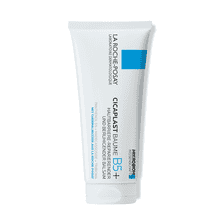 Final Price CHF 19.95 Regular Price CHF 26.6525 %100 ml
-
 Final Price CHF 8.85 Regular Price CHF 11.8525 %200 ml
-

-
 Final Price CHF 19.00200 ml
-
 Final Price CHF 27.30 Regular Price CHF 39.0030 %75 ml
-
 Final Price CHF 24.9540 ml




How to Use Zinc in Your Skincare Routine
The effects of zinc vary depending on your skin type and the product form you choose.
For blemish-prone or oily skin: Zinc PCA
Zinc PCA helps regulate oil production and has antibacterial properties. Common in mattifying moisturizers, serums and cleansers.
For sensitive or irritated skin: Zinc Oxide
Zinc oxide soothes inflammation and helps regenerate the skin. Ideal in calming masks, after-sun creams or protective balms.
For targeted spots or irritation: Zinc Ointment
Apply directly to pimples, small wounds or irritated patches to support healing and reduce redness.
Tip: Use a mattifying Zinc PCA moisturizer in the morning, and a calming zinc oxide cream at night to allow the skin to repair while you sleep.

Nutrition Tips for Healthy Zinc Levels
Zinc can be taken not only through skincare - nutrition plays a key role. Because the body stores only small amounts, continuous intake is important.
Rich food sources include:
- Animal-based: Oysters, red meat, organ meats, dairy, eggs
- Plant-based: Pumpkin seeds, lentils, oats, whole grains, nuts
Tip: Pair plant-based zinc sources with Vitamin C (like bell peppers or berries) to improve absorption.
Vegetarians and vegans benefit from mindful combinations of plant-based zinc sources to support skin health and immune function.
Conclusion: Why Zinc Is a Must-Have in Skincare
Zinc is a true all-rounder for healthy, balanced skin. It calms, protects, supports regeneration and brings the complexion back into harmony. Zinc PCA helps achieve a clear, matte finish, while zinc oxide strengthens and soothes the skin barrier. Combined with a zinc-conscious diet, your skin will look radiant, even and naturally healthy.