



The female menstrual cycle is a natural and fascinating process. Despite its central importance, it often remains a taboo subject. With this guide, I want to raise awareness of the body’s needs during the cycle. Each month, women go through different phases that can affect daily life in varying ways. These phases may trigger different symptoms and discomforts. It’s important to remember that the cycle varies from woman to woman and usually lasts between 21 and 35 days, with an average of 28 days.
Female menstrual cycle: The 3 phases explained simply
- First half of the cycle: The first day of the cycle begins with menstruation. During this time, the uterine lining is shed and rebuilt. At the same time, several eggs begin to mature. This phase typically lasts from day 1 to day 12.
- Ovulation: In the second phase, the matured egg is released and transported into the fallopian tube, where fertilization can occur. This phase usually takes place between day 13 and 16.
- Second half of the cycle: In the third phase, the corpus luteum forms at the site of the released egg, thickening the uterine lining in preparation for a possible pregnancy. This phase lasts from day 17 to day 28. A new female menstrual cycle begins with the next bleeding.
Supplements in the female menstrual cycle – Support from within
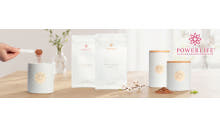
Our body undergoes many different changes within one month. In every phase, the body has specific needs. The right dietary supplements can help support your body optimally, depending on its requirements.
- Magnesium is known for its antispasmodic properties, helping to ease cramps, release muscle tension, and stabilize mood.
- Chasteberry (Vitex agnus-castus): Often called the “power plant of women’s health,” it supports hormone regulation, relieves PMS symptoms such as breast tenderness and mood swings, and helps normalize the menstrual cycle.
- Iron is frequently supplemented during menstruation to restore energy levels. Because significant amounts of iron are lost with menstrual blood, deficiency can result in fatigue and low energy.
- Vitamin B strengthens the nervous system and helps balance hormonal fluctuations, reducing mood swings.
- Vitamin C is especially important during menstruation as it improves iron absorption.


Intimate care during the cycle – keeping your pH balance
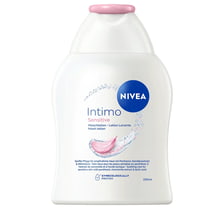
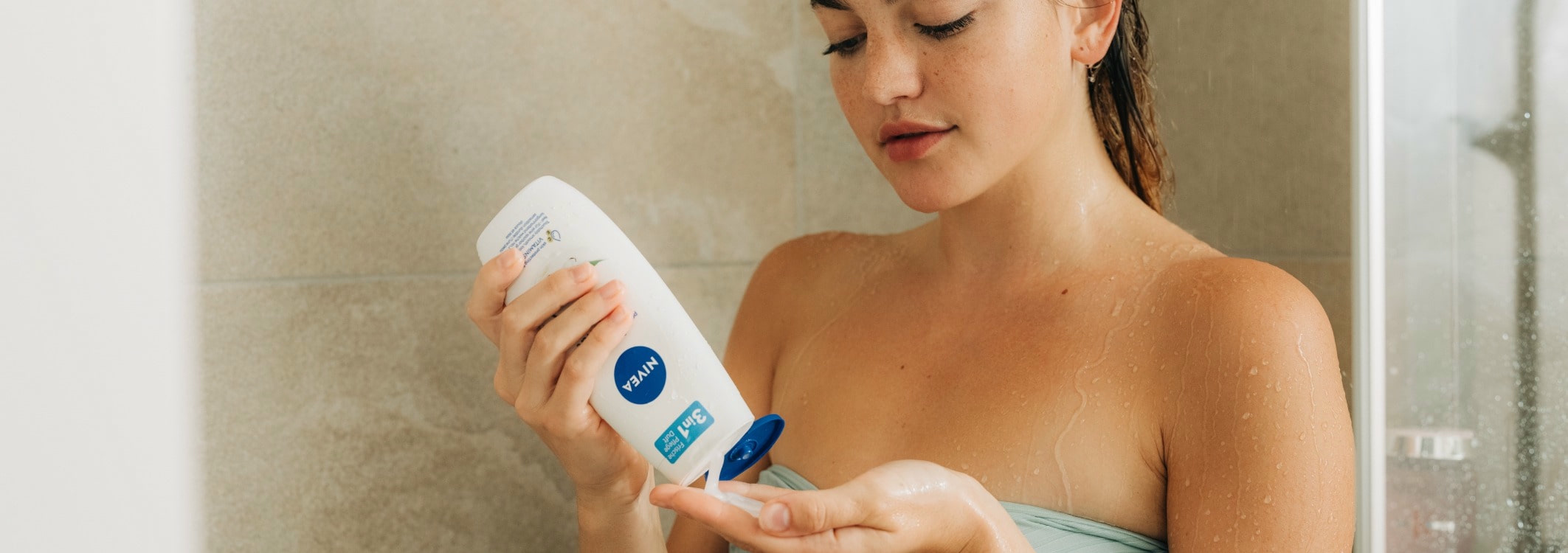
Proper intimate care is essential for healthy mucous membranes since many issues such as itching, discharge, or infections often originate here. Gentle, pH-balanced cleansing is key, as harsh products may irritate the skin and disrupt the natural vaginal flora. The normal vaginal pH is between 3.8 and 4.5 – slightly acidic. This environment is maintained by lactic acid bacteria, which protect against harmful germs, fungi, and bacteria.
If this balance is disturbed by aggressive cleansers, hormonal fluctuations, antibiotics, or stress, the natural defense system may weaken, increasing the risk of infection. To support sensitive skin, use fragrance-free, pH-adapted products and breathable, loose-fitting clothing. This allows the mucous membrane to fully protect and remain balanced.
-
-

-
 Final Price CHF 6.75 Regular Price CHF 9.0525 %200 ml
 -

-

-

-

-
 Final Price CHF 14.95190 ml


Hygiene during menstruation
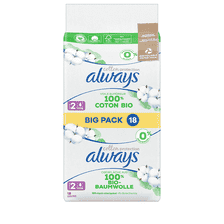
To feel safe and comfortable, it’s important to choose menstrual products that provide reliable protection without restricting daily life. Options include tampons, pads, menstrual underwear, or menstrual sponges – simply choose what works best for you and makes you feel comfortable.
-
 Final Price CHF 34.90
 -

-

-
 Final Price CHF 5.95
 -
 Final Price CHF 3.95
 -


Nutrition in the female menstrual cycle – what supports your body
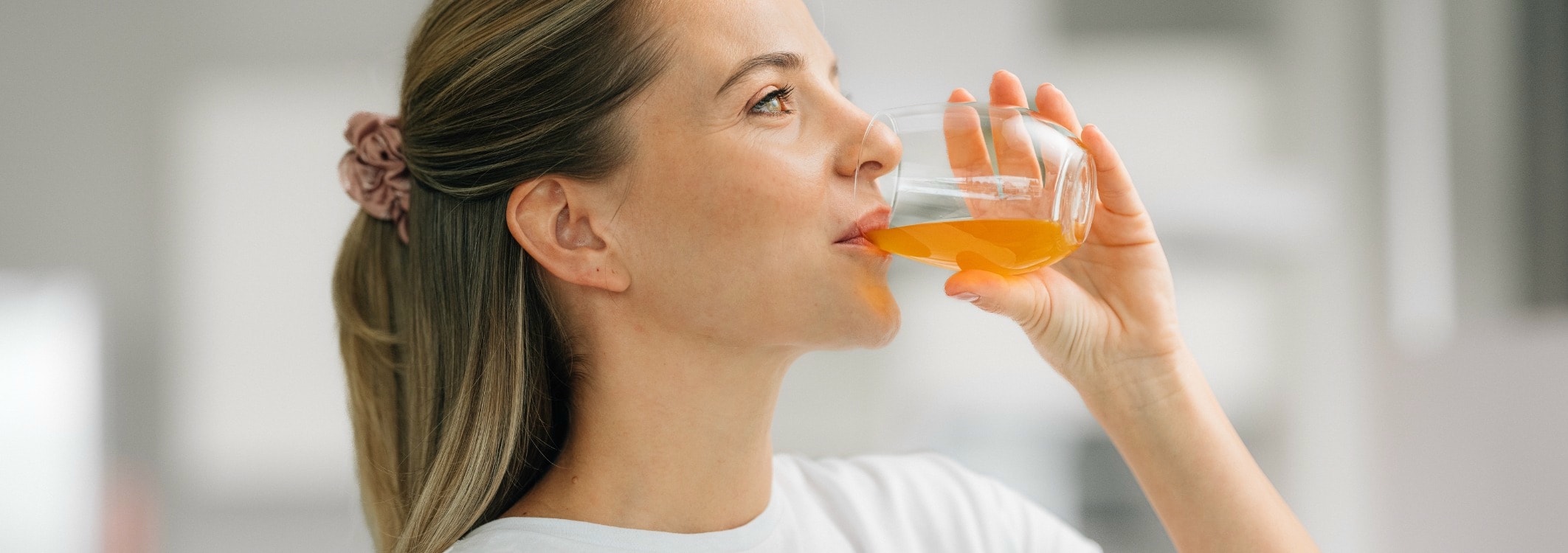
Nutrition plays a key role during the cycle. During menstruation, it’s beneficial to eat more warm meals, which ease the body and provide inner warmth, helping to relax and reduce discomfort.
Recommended foods to ease menstrual symptoms include:
- Bananas: Rich in magnesium and vitamin B6, they support muscle function, reduce cramps, and fight fatigue. Vitamin B6 also helps regulate hormones and supports nerve health.
- Cocoa: Many women crave chocolate during menstruation, but chocolate often contains high fat and sugar. Pure cocoa, however, can be beneficial for menstrual discomfort.
- Iron-rich foods: Such as red meat, legumes, nuts, and spinach, which help maintain energy levels.
- Healthy fatty acids: Omega-3 and 6 found in nuts, avocados, and seeds.
- Spices: Such as cinnamon and ginger, which warm the body, relax muscles, and reduce cramps.
- Nettle tea: Traditionally used in herbal medicine for its diuretic effect, it can be consumed several times daily to relieve bloating.
My tips for everyday life with cycle discomfort
- Wear breathable clothing – cotton underwear allows good air circulation, reducing the risk of irritation or infection.
- Heat is a tried-and-true remedy for abdominal cramps. A hot water bottle, a warm bath with relaxing oils, or massages can provide relief.
- Less is more: in most cases, clean water is enough for intimate hygiene. If you use products, make sure they are specifically designed for the intimate area.
FAQ
Frequently asked questions
How can you track the female menstrual cycle?
The female menstrual cycle can be tracked in different ways to better understand fertile days, menstruation, and body changes. A simple method is the calendar method, noting the first day of your period and observing cycle length over several months. Additionally, daily measurement of basal body temperature can help, as it slightly rises after ovulation. Cervical mucus observation also gives clues to fertile days, as its texture changes throughout the cycle. Ovulation tests can further confirm ovulation through hormone detection.
Which sports support the female menstrual cycle?
Cycle-based training can improve well-being and support hormonal balance. During menstruation, gentle activities such as yoga or walks help relaxation. After menstruation, energy rises, making it the perfect time for strength training or cardio. Around ovulation, performance peaks, so high-intensity workouts like HIIT are ideal. Before menstruation, moderate workouts, stretching, or light endurance training can help reduce PMS symptoms. The key is to listen to your body and adjust training to each phase of the female menstrual cycle.