




Do you dream of glowing, even-toned skin and want to tackle those first fine lines? Then listen up: a Vitamin C serum is the beauty world’s favourite for a reason. In this guide, you’ll discover why this powerhouse ingredient is so loved, how to use it correctly and which Vitamin C serum suits your skin type best.
What Is Vitamin C – and How Does It Work on the Skin?
Vitamin C, also known as ascorbic acid, is an antioxidant widely used in skincare. It’s appreciated for its brightening, protective and regenerative properties. In formulations, it can neutralise free radicals, stimulate collagen production and strengthen the skin’s structure.
Main Benefits of Vitamin C for Skin
- Brighter, more even complexion: Vitamin C helps regulate melanin production and reduces the appearance of dark spots and acne scars.
- Anti-ageing and wrinkle reduction: It boosts collagen synthesis, helping to smooth fine lines and wrinkles.
- Instant glow effect: If your complexion looks tired, Vitamin C delivers a real freshness boost.
- Protection shield: As one of the most effective antioxidants, Vitamin C helps protect skin from free radicals and environmental stress. Combined with SPF, it’s a must-have in day care products.
- Soothing action: Vitamin C can reduce redness and support the skin barrier.
- Hydration booster: Especially when combined with moisturising ingredients like hyaluronic acid, it leaves dry skin smoother and more supple.
Types of Vitamin C – and Which One Is Right for You
Not all vitamin C for skin is the same. There are various derivatives that differ in stability, effectiveness and tolerance. Below are four of the most common and proven types – each with its own benefits depending on your skin type and skincare goals.
Ascorbic Acid (L-Ascorbic Acid)
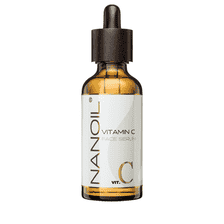
The purest and most active form of Vitamin C. Works fast and intensely – ideal for normal to oily skin. Sensitive types should introduce it gradually.
-
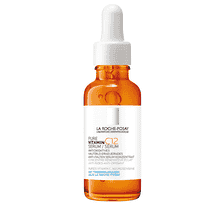 Final Price CHF 39.25 Regular Price CHF 52.3525 %30 ml
 -

-
-
 Final Price CHF 69.9030 ml




Ascorbyl Glucoside
A stable form with a gentle brightening effect. Perfect for sensitive skin and for anyone seeking long-term improvement without irritation.
-
 Final Price CHF 49.9030 ml
 -
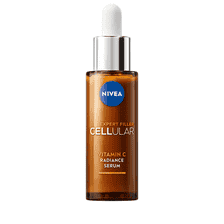 Final Price CHF 19.55 Regular Price CHF 27.9530 %30 ml
 -


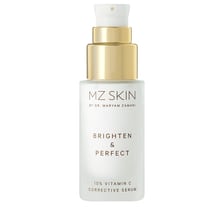
Ascorbyl Tetraisopalmitate / Tetrahexyldecyl Ascorbate (Vitamin C Tetra)
Highly stable, penetrates deeply and suits dry or mature skin. A favourite for advanced skincare routines.
-
 Final Price CHF 92.0050 ml
 -
 Final Price CHF 329.0030 ml


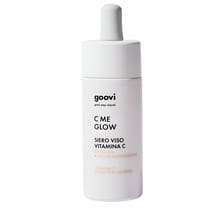
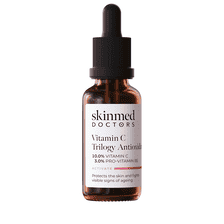
3-O-Ethyl Ascorbic Acid
A modern, ultra-stable derivative. Water-soluble, highly tolerable and effective against pigmentation and dullness – without irritation. Suitable for all skin types, even sensitive or pigmentation-prone skin.
-
-
 Final Price CHF 95.0030 ml
 -


How Vitamin C Serum Supports Different Skin Types
- Dry skin: Helps retain moisture and smooth fine dehydration lines. Tip: choose formulas with hyaluronic acid.
- Oily or blemish-prone skin: Regulates sebum, refines pores and brightens post-blemish marks.
- Sensitive skin: Opt for gentle types like Ascorbyl Glucoside. Start with a low concentration and irritation-free formula.
- Mature skin: Vitamin C Tetra works wonders, especially when paired with rich textures.
Application Tips: How to Use Vitamin C Serum Properly
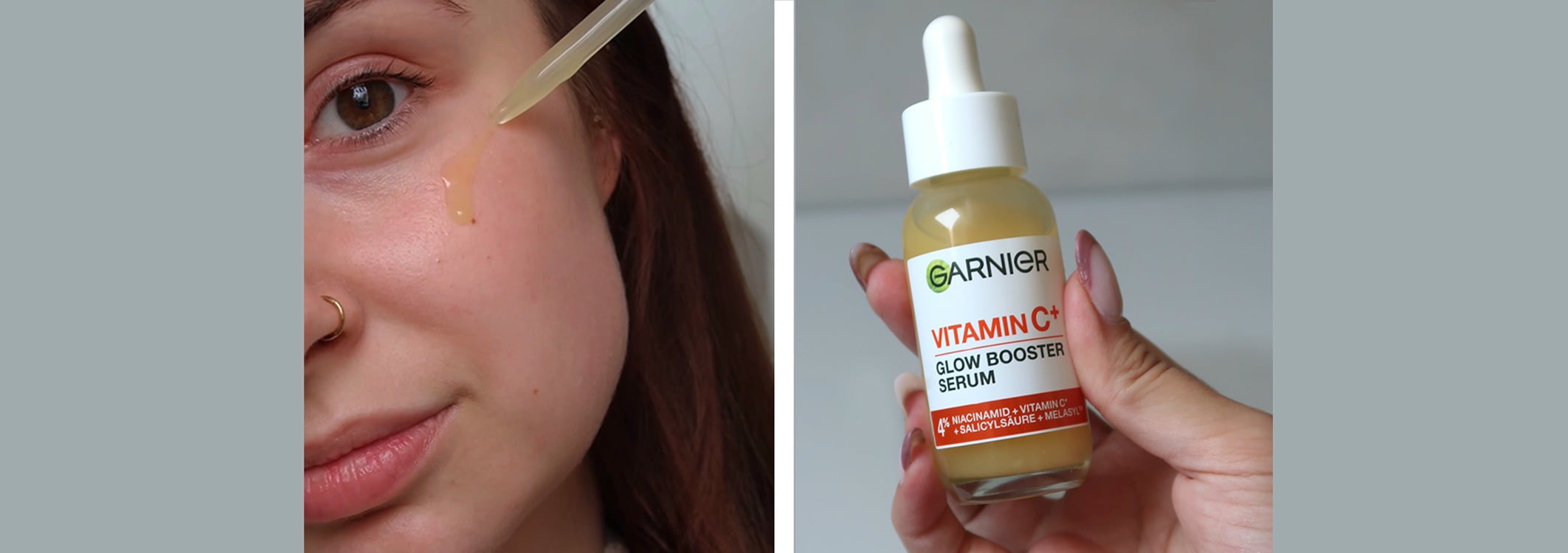
- Apply in the morning after cleansing (slightly damp skin improves absorption).
- 2-3 drops are enough for face, neck and décolletage.
- Don’t rub - gently pat it in.
- Follow with a moisturiser and always finish with SPF.
- For sensitive skin, start 2-3 times per week and increase gradually.
Storage tip: Keep your vitamin C for skin serum dark and cool – for example in a cabinet or refrigerator.
Can You Combine Vitamin C Serum with Other Skincare Ingredients?
Absolutely – with a bit of know-how:
Great combinations:
- Hyaluronic acid: for an extra hydration boost
- Niacinamide: together they help fade dark spots
- Peptides: excellent for anti-ageing routines
- Sun protection: a must after morning use
Use with caution:
- Retinol: better in the evening - not in the same routine
- AHA/BHA acids: can cause irritation - alternate days are best
Vitamin C in Skincare Through Different Life Stages
Skin changes over time – and vitamin C for skin remains a valuable ally at every age.
- Teenagers: Helps with breakouts and acne marks, soothes inflammation and refines skin texture. A mild serum (10-15%) is ideal for young skin.
- Pregnancy: Hormonal changes may cause pigmentation and sensitivity. Vitamin C reduces discolouration, strengthens the barrier and is safe to use (unlike retinol).
- Mature skin: Boosts collagen, smooths fine lines and restores radiance. Opt for stabilised Vitamin C (15-20%) formulas for best results.
Healthy Nutrition with Vitamin C – The Perfect Skincare Support
Topical vitamin C for skin works best when combined with a balanced diet. Skincare alone isn’t enough – your skin also benefits from the inside.
Foods That Nourish Your Skin from Within
Incorporate Vitamin C-rich foods into your diet regularly. The best choices include:
- Citrus fruits (oranges, grapefruits, lemons)
- Berries (strawberries, raspberries, blackcurrants)
- Peppers (especially red ones)
- Broccoli, kale and Brussels sprouts
- Kiwi and sea buckthorn - true Vitamin C bombs
A colourful mix of fruits and vegetables supports both your complexion and immune system.
My Conclusion
Whether you want to smooth early wrinkles, fade pigmentation or simply achieve a radiant glow – vitamin C for skin is a true all-rounder. With the right formula and proper use, your serum will soon become the hero of your beauty routine.
Q&A: Frequently Asked Questions About Vitamin C Serum
Is Vitamin C Serum Suitable for All Skin Types?
Yes – choose the right derivative for your skin type (see above).
Are There Any Side Effects?
Highly sensitive skin may experience redness or tingling. Start with a low concentration and increase slowly.
How Soon Will I See Results?
A more radiant and even complexion often appears after 2–4 weeks; pigmentation and fine lines may take 6–8 weeks.
Can I Use Vitamin C Serum at Night?
Yes – but it’s most effective in the morning to protect against free radicals and environmental damage. Always pair with SPF during the day.
Can I Use Vitamin C and Retinol Together?
Yes, but not in the same routine. Apply vitamin C for skin in the morning, and retinol at night to avoid irritation.
How Should I Store My Vitamin C Serum?
Keep it in a dark, cool, airtight container. Look for opaque packaging.
How Do I Know If My Vitamin C Serum Has Oxidised?
If the colour changes (turns brownish), it’s likely oxidised and less effective. Fresh Vitamin C should be clear to pale yellow.
Signs of Vitamin C Deficiency on Skin
A lack of Vitamin C can show as:
- Dry, rough or flaky skin
- Gum changes
- Pale or sallow complexion
- Slow wound healing
- Easy bruising