



With spring come longer days and more sunshine, but also those annoying pollen that cause discomfort for many of us. Anyone sensitive to pollen knows the symptoms all too well: itchy skin, a runny nose, throat irritation, and burning, dry eyes – all signs of allergies that can be especially challenging during springtime.
To relieve or even prevent these symptoms, there are a variety of products specifically designed for allergy-prone skin. In this article, we focus on itchy skin treatment and share valuable tips to help you get through pollen season more comfortably.
Causes of itchy skin
You’ve surely experienced it – suddenly your skin starts to itch or turns red. These are often signs of an allergic reaction. During spring, when pollen is in the air, the skin becomes particularly sensitive. But pollen isn’t the only trigger: food, medication, cosmetics, or cleaning products can also cause itching. And yes, stress plays a major role too, as it can further irritate the skin.
Itchiness is your skin’s way of signaling that something is wrong. If the skin barrier is weakened, it cannot perform its functions properly – it retains less moisture and loses its natural protection. This makes it more vulnerable to environmental factors and microorganisms that can intensify the itch.
How to protect sensitive skin: Prevention tips
Preventing itchy skin isn’t always easy, as many factors are involved. If your symptoms are severe and persistent, it’s best to get an allergy test from a doctor. This will help you identify what your skin is reacting to and take the right preventive measures.
Meanwhile, you can follow these simple steps to protect your skin and minimize itching:
- Avoid extreme temperature fluctuations and aim for a neutral, humid atmosphere.
- Humidifiers can be very helpful in winter to supply the skin with moisture and prevent dryness. No humidifier? Hang damp laundry indoors or place a wet cloth over the radiator to increase humidity. Just remember to ventilate briefly 2–3 times a day to avoid mold.
- The right clothing matters too. Wear loose-fitting cotton garments and avoid wool and synthetic fabrics, as they can irritate sensitive skin and cause itching. Also, use mild detergents – heavily fragranced detergents and fabric softeners can worsen the symptoms.
Everyday tips: Which home remedies really help?
If you suffer from itchy skin, there are a few simple yet effective home remedies that can provide relief:
- Use a mild, fragrance-free shower gel that matches your skin’s pH to avoid additional irritation.
- Cooling and soothing creams can work wonders. Pure aloe vera gel is a natural helper that calms the skin and reduces itchiness.
- Apply a cold compress: a towel soaked in cold water placed on the affected area for 5–10 minutes can be an effective itchy skin treatment.
- If the itch is caused by dryness, hydration is key. Regularly apply rich moisturizing creams to keep your skin supple.
Your skincare routine for itchy skin
When dealing with itchy skin, the right skincare routine is essential to soothe irritation and support the skin barrier:
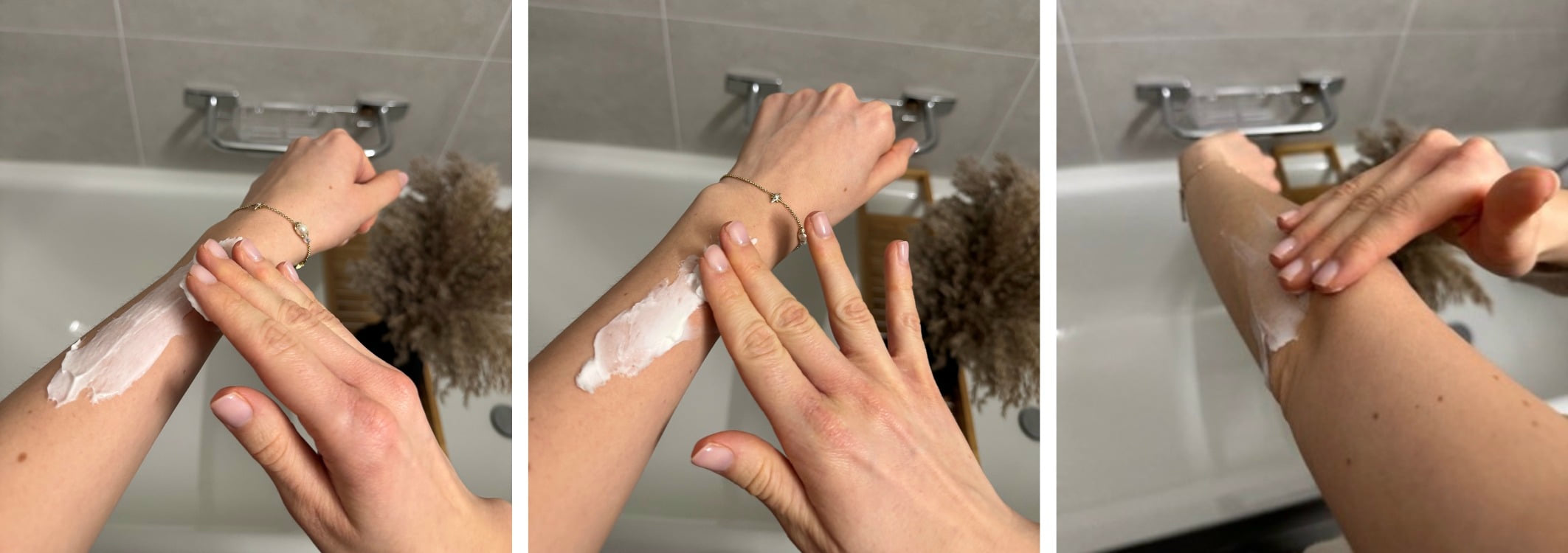
- Pat dry gently: After showering, use a fresh, soft towel and pat the skin instead of rubbing it. Friction can worsen irritation.
- Apply a soothing cream: Use an anti-itch cream on affected areas to calm the skin and help rebuild the weakened barrier.
- Quick relief with a spray: If itching persists, a cooling spray can provide short-term relief within minutes.
-

-
-
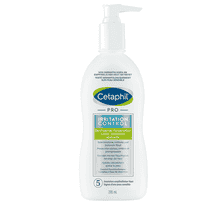 Final Price CHF 24.10295 ml
 -

-
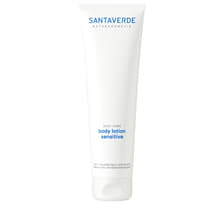
-
 Final Price CHF 20.20 Regular Price CHF 28.9030 %20 ml
 -
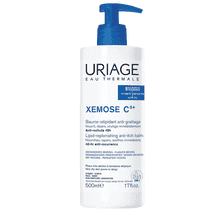 Final Price CHF 17.25 Regular Price CHF 23.0525 %500 ml
 -
 Final Price CHF 29.25 Regular Price CHF 32.5010 %30 ml
 -






Spring & itching: How to handle pollen-induced skin irritation
Spring brings blooming flowers but also pollen – often leading to itchy skin. Typical symptoms include itchiness, swelling, redness, burning, and eczema, especially on exposed areas like the face, neck, hands, arms, and legs. Frequent scratching can worsen the condition and even damage the skin.
To get through spring and pollen season with minimal discomfort, try these practical tips:
- Evening shower & hair wash: Wash with a mild shampoo before bed to remove pollen and allergens from skin and hair.
- Wash clothes frequently: Pollen sticks to fabrics and can trigger itching. Wash clothing more often and avoid leaving it in the bedroom.
- Change bed linen regularly: Pollen can settle on bedding through open windows. Regular changes help reduce exposure.
- Check pollen forecasts: Plan outdoor activities accordingly. In cities, pollen counts peak between 7–11 pm, in rural areas between 6–8 am.
- Limit “pollen magnets”: Avoid carpets, curtains, and similar fabrics indoors, as they trap allergens.
- Skip flower bouquets: As lovely as they look, bouquets can worsen hay fever symptoms.
- Nasal rinse: If your nose itches, a saline rinse can flush out pollen and ease discomfort.