


Do you want to know how to get white teeth? White teeth are considered a beauty ideal today, but not everyone is naturally blessed with them. Teeth are not originally pure white they have a pearly shimmer that can become slightly yellowish over time despite careful care. Apart from age, there are other factors that can lead to tooth discolouration.
Why do teeth become discoloured? The most common causes
- Smoking: Tobacco consumption can cause brownish stains and increased tartar formation due to tar, nicotine and other substances in tobacco smoke.
- Tartar: Dental plaque forms after every meal. Bacteria, saliva and food residues create a film (biofilm) that settles at the base of the teeth as plaque. When it calcifies, it becomes what is known as tartar. Tartar can endanger the health of both teeth and gums and make teeth appear grey or yellowish.
- Genes: You cannot control your natural tooth colour or how it changes with age. Genes can influence the transparency and thickness of teeth, which directly affects their colour.
- Medication: Taking antibiotics such as tetracycline can leave dark grey or brown marks on the teeth.
- Diet: Certain foods and drinks such as red wine, coffee, black tea, cola, dark berries or ketchup can cause yellow teeth if consumed regularly.
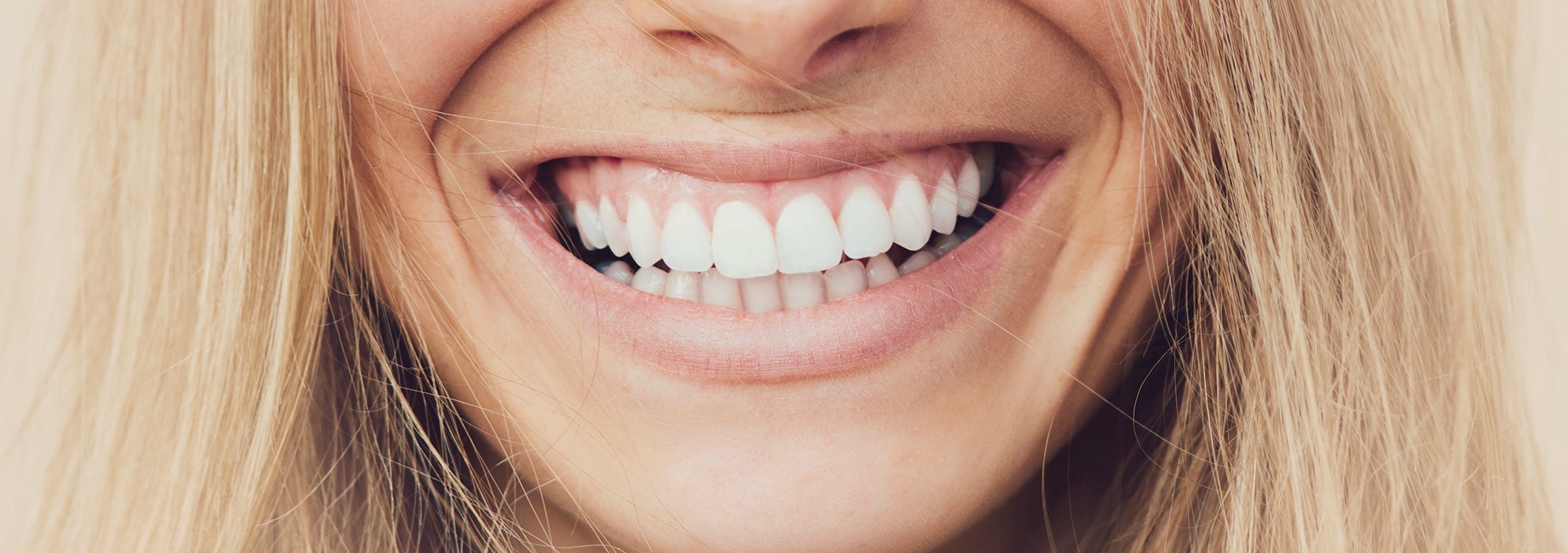
How to get white teeth: Your ideal dental care routine
To keep your teeth from losing their shine shortly after your next dental hygiene appointment, here are a few tips on how to make your home care routine simple and effective.
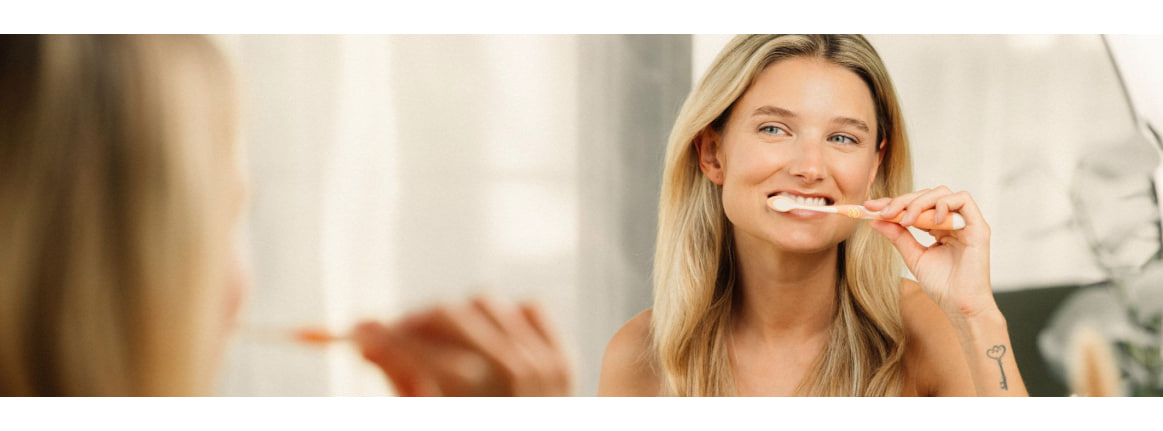
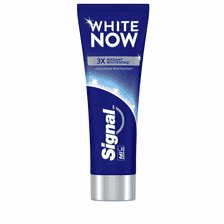
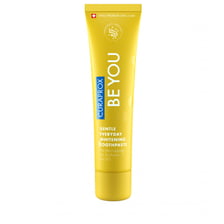
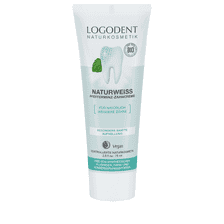
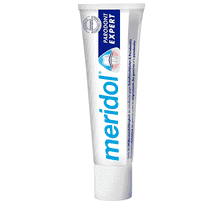
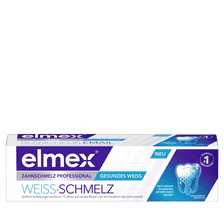
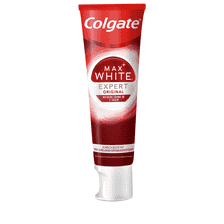
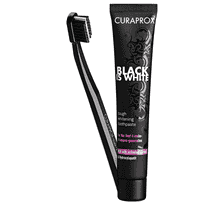
It’s important to brush your teeth regularly every day, ideally three times a day. The first step in your dental care routine is choosing the right toothpaste. Some toothpastes are specifically formulated for whiter teeth. However, many whitening toothpastes contain strong ingredients that remove plaque and yellow stains but can also reduce enamel protection. Be sure to read the instructions carefully to know how often you can safely use such toothpaste per day or week.
-
-
-
-

-

-
-
 Final Price CHF 16.6575 ml
 -

-

-
 Final Price CHF 7.9075 ml
 -
-
 Final Price CHF 7.9575 ml




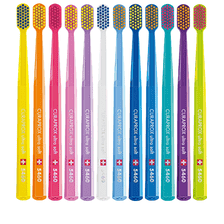
A good toothbrush is also essential for effective oral care one that can reach all areas of your teeth and remove plaque without damaging your gums. Whether you prefer a wooden toothbrush, a sonic toothbrush or a regular manual brush doesn’t matter much. Choose whichever works best for you.
Remember that the pressure or foam is not what matters, but rather the brushing technique and how clean your teeth become.
-
 Final Price CHF 6.60
 -

-
 Final Price CHF 29.5090 ml


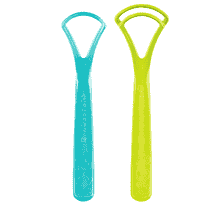
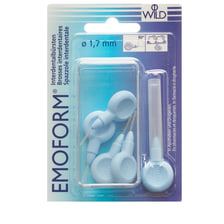
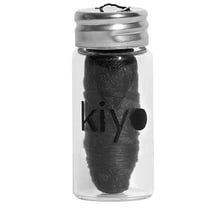
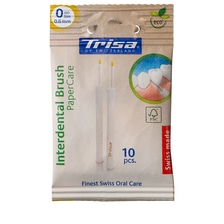
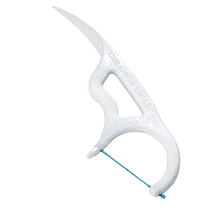
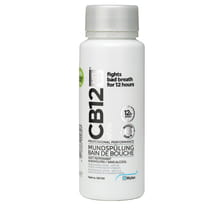
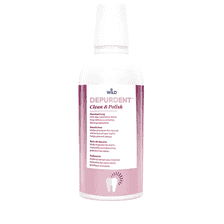
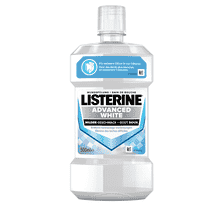
After brushing, take care of the spaces between your teeth and clean your tongue both are very important but often forgotten. Food particles and bacteria can easily hide in these areas, as the toothbrush cannot always reach them properly. With the right tools such as dental floss, interdental brushes, toothpicks or tongue scrapers, you can remove these effectively. Finally, use a mouthwash to rinse out any remaining residue.
-
-

-
 Final Price CHF 9.80
 -

-

-
-
-

-
-

-
-
-
-
- Multi Offer
-
 Final Price CHF 20.90 Regular Price CHF 29.9030 %30 ml


Tips for white teeth – how to prevent discolouration
- Proper dental care and brushing technique to remove plaque effectively after meals.
- Reduce foods and drinks that can cause stains, or rinse your mouth after consuming them.
- Visit your dentist regularly.
- Clean interdental spaces daily.
Which lipstick makes your teeth look whiter?
The optical brightening effect of lipstick is based on the contrast between the lip and tooth colour. By choosing the right lipstick shade, your teeth can appear whiter without any chemical bleaching.
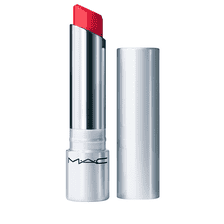
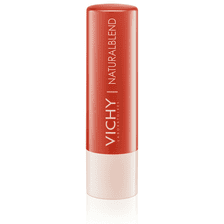
For yellowish teeth, choose cool, blue-based shades such as berry tones or cool pinks. These colours can neutralise the yellow hue and make teeth appear visually brighter. For greyish teeth, warm red tones such as coral or tomato red are ideal, as they balance out the grey undertone.
-
 Final Price CHF 28.80 Regular Price CHF 36.0020 %
 -
 Final Price CHF 35.10 Regular Price CHF 39.0010 %
 -
 Final Price CHF 26.10 Regular Price CHF 29.0010 %
 -
 Final Price CHF 9.40 Regular Price CHF 11.7520 %


Home remedies for whiter teeth
Oil pulling
A current trend that has regained popularity on social media and the internet.
How it works:
Take one tablespoon of oil coconut oil works well into your mouth, swish it around and pull it through your teeth several times. This technique helps remove bacteria, germs and toxins from the mouth. Be careful not to swallow the oil mixture.
Strawberries with baking soda
Strawberries contain fruit acids and enzymes that can help remove stains from teeth.
How it works:
Mash a strawberry, mix it with a little baking soda and apply it to your teeth. Rinse thoroughly afterwards and do not swallow. Important: Do not use this method too often, as the acid can weaken the enamel.
Activated charcoal
Activated charcoal binds discolouration and removes it mechanically from the tooth surface.
How it works:
Put a small amount on your toothbrush and gently brush your teeth with it. This should not be done more than once a week, as it can weaken the enamel.
Many of these home remedies can damage tooth enamel if used excessively. Therefore, they should only be used in moderation and with caution. Good oral hygiene and regular dental check-ups remain the best way to maintain healthy, white teeth.
Whitening products for white teeth
In addition to natural home remedies for white teeth, there are also chemical methods to make teeth whiter. Various products are available, such as whitening strips, whitening kits, whitening gels and whitening serums.
Whitening Strips
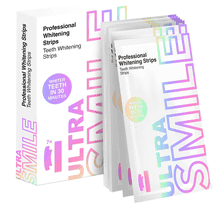
The quick and easy solution for at-home teeth whitening. Apply the strips to clean teeth and leave them on as directed by the product instructions.
-
 Final Price CHF 6.25 Regular Price CHF 8.9530 %
 -

-
 Final Price CHF 16.70 Regular Price CHF 23.9030 %
 -
 Final Price CHF 18.90 Regular Price CHF 27.0030 %


Whitening Kit
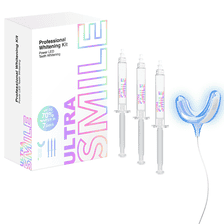
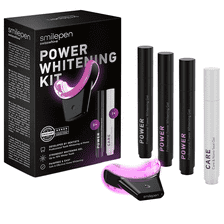
Besides strips, whitening kits are also available. These usually include an LED device and a whitening gel. First, clean your teeth, then apply the gel and place the LED mouthpiece in your mouth. Let it work as described in the instructions. Rinse the mouthpiece thoroughly with water and brush your teeth again.-

-
 Final Price CHF 91.25 Regular Price CHF 130.4030 %235 g
 -
 Final Price CHF 56.10 Regular Price CHF 80.2030 %
 -
 Final Price CHF 105.35 Regular Price CHF 150.5030 %


Whitening Products for Teeth – Conclusion
There are now many products on the market that claim to make your teeth white. It’s important to remember that while white teeth are attractive, you should be careful not to weaken your enamel with overly aggressive products. Tooth enamel protects your teeth from external influences and bacteria. If whitening products repeatedly strip away this protection, your teeth lose their natural defence against bacteria and may become more prone to cavities.