



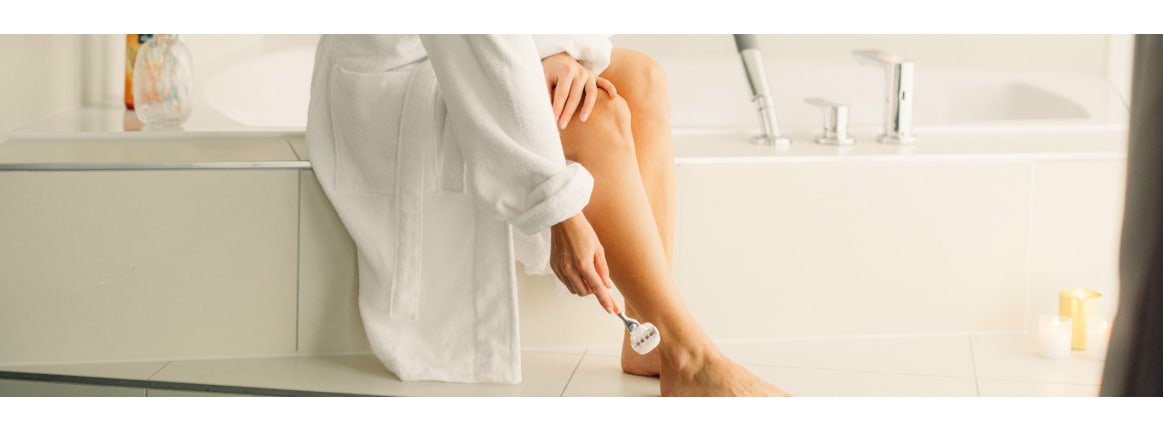
Smooth, soft skin - that’s what most of us hope for after shaving. But often, those annoying razor bumps or skin irritations appear instead. These are especially common on sensitive areas such as the legs, underarms, or bikini line. The good news: with the right shaving technique and proper skincare, you can easily prevent them.
In this article, we’ll show you step-by-step how to shave legs effectively and gently - from preparation to post-shave care. Say goodbye to irritation and hello to beautifully smooth, healthy skin.
Causes of Razor Bumps and Skin Irritation
Razor bumps are small, often red and inflamed bumps that appear after shaving. They’re usually caused by ingrown hairs when shaved hairs curl back into the skin instead of growing out, leading to irritation. Coarse or curly hair types are especially prone to this, particularly in the bikini area and underarms. Skin irritation can also occur when bacteria enter tiny cuts or micro-abrasions during shaving and cause inflammation.
Common causes include:
- Incorrect shaving technique: Shaving against the hair growth direction can pull hairs out rather than trimming them cleanly, which increases irritation.
- Old or dull blades: You should replace your razor blades every 5–10 shaves. Dull blades drag on the skin, increasing the risk of nicks and razor bumps. Invest in a high-quality razor instead of disposable ones.
- Insufficient pre- and post-shave care: If you don’t cleanse or exfoliate before shaving, bacteria and dead skin cells can clog pores and cause breakouts. After shaving, proper hydration is key to help your skin recover.
The Right Preparation: How to Shave Legs Without Irritation
Exfoliate Before Shaving
Before you start shaving, use a gentle body scrub or exfoliating glove to remove dead skin cells. Avoid harsh scrubs with rough particles they can cause micro-tears. Exfoliating helps prevent ingrown hairs and allows for a closer, smoother shave.
Hydrate and Soften the Skin
A warm bath or shower before shaving helps soften both the skin and hair, making the process much easier. Shaving dry skin is one of the most common causes of irritation and razor bumps. The rule of thumb: always shave wet. Dry shaving can be harsh and is not recommended for sensitive areas.
-

-
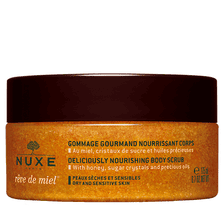 Final Price CHF 28.90175 ml



Tips for the Perfect Shave Without Razor Bumps
Shave in the Direction of Hair Growth
Always shave in the direction of hair growth. This reduces the chance of hairs curling back under the skin. While it may not give you the closest shave possible, it’s much gentler on your skin.
Use Light Pressure
Avoid fast, short strokes or pressing too hard with the razor. Instead, glide the blade gently across the skin. This minimizes the risk of cuts and irritation.
Use Shaving Cream or Gel
A quality shaving cream or gel helps the razor glide smoothly and creates a protective barrier between the skin and the blade. For sensitive skin, choose fragrance-free formulas without harsh ingredients.
Keep Blades Clean and Sharp
Regularly changing and cleaning your razor is essential. A razor stored in the shower is exposed to moisture and bacteria, which can lead to rust or contamination. Rinse the blade thoroughly after every use and store it in a dry area. This keeps your skin safe from unnecessary irritation.
-

-
 Final Price CHF 14.95190 ml



Post-Shave Skincare: Calm and Protect Your Skin
After shaving, your skin needs extra care. Follow these steps to soothe and protect it:
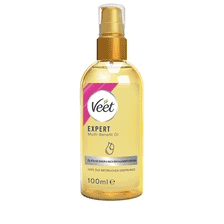
- Hydrating lotion or oil: Use an alcohol-free moisturizer or body oil to replenish the skin barrier.
- Cooling aloe vera gel: Pure aloe vera straight from the fridge provides a refreshing, calming effect. You can also layer it under your regular lotion for extra hydration.
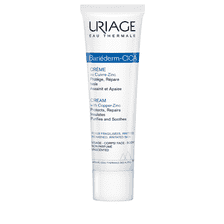
- Zinc cream: If irritation appears, apply a zinc-based cream (e.g., from La Roche-Posay). Zinc has anti-inflammatory and healing properties. Apply a thick layer at night to calm the skin.
Pro tip: If you have very sensitive skin, baby products are a great option. A gentle baby oil can leave your legs smooth and radiant. Just remember - don’t go out in the sun immediately after applying oil, as it can increase photosensitivity.
-
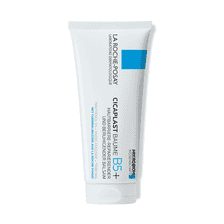 Final Price CHF 26.65100 ml
 -
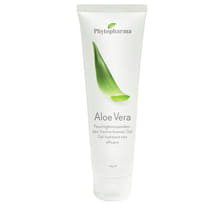
-
-

-
 Final Price CHF 25.35 Regular Price CHF 28.2010 %59 ml
 -

-


What to Do If Razor Bumps Still Appear
Even with careful shaving, razor bumps can occasionally occur. Zinc cream can help calm inflamed areas and speed up healing. Give your skin a break avoid shaving again for a few days to let it recover.
Important: Don’t pop or squeeze razor bumps, as this can cause scarring or infection. For ingrown hairs, gently use a sterilized tweezer or a drawing salve from the pharmacy to help bring the hair to the surface. If irritation persists, consult a dermatologist for targeted treatment.
Alternatives to Shaving
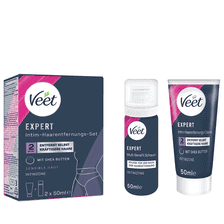
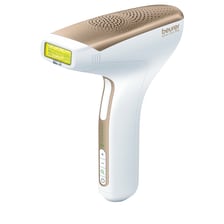
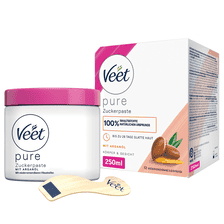
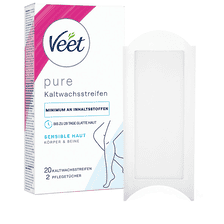
Shaving isn’t the only way to remove hair and it might not be the best for everyone. Alternatives include: Wax strips, warm wax, electric trimmers, epilators, depilatory creams, or even laser hair removal.
If you regularly struggle with irritation, try different methods to find what works best for your skin. At haar-shop.ch, you’ll find a wide range of products to support your personal hair removal routine.
-
-
-

-
-
-
 Final Price CHF 18.20


FAQ: Common Questions About Shaving
What’s the difference between razor bumps and razor burn?
Razor burn appears as red, inflamed patches caused by friction or tiny cuts. Razor bumps are small, inflamed pimples caused by ingrown hairs.
What helps best against razor bumps?
Proper technique, gentle skincare, sharp blades, and soothing products like aloe vera or zinc creams.
Should I pop razor bumps?
No. Squeezing them can worsen inflammation and cause scars. Use tweezers or a salve if needed.
How often should I replace my razor blades?
Every 5–10 shaves, depending on use. Dull blades cause irritation.
Is shaving safe for sensitive skin?
Yes, with care. Always use shaving cream or gel, avoid dry shaving, and moisturize afterward - or try other hair removal methods.
What are alternatives to shaving?
Waxing, epilation, trimming, depilatory creams, or laser hair removal - depending on your preference and skin type.
Can I shave if I already have razor bumps?
Better not. Wait until the skin has healed to avoid worsening irritation or infection.